Is Data Scraping Legal? Everything You Need to Know in 2025
https://splitmyplan.com/unlock-scrape-access-any-data-anytime-anywhere/
Is Data Scraping Legal? Everything You Need to Know in 2025
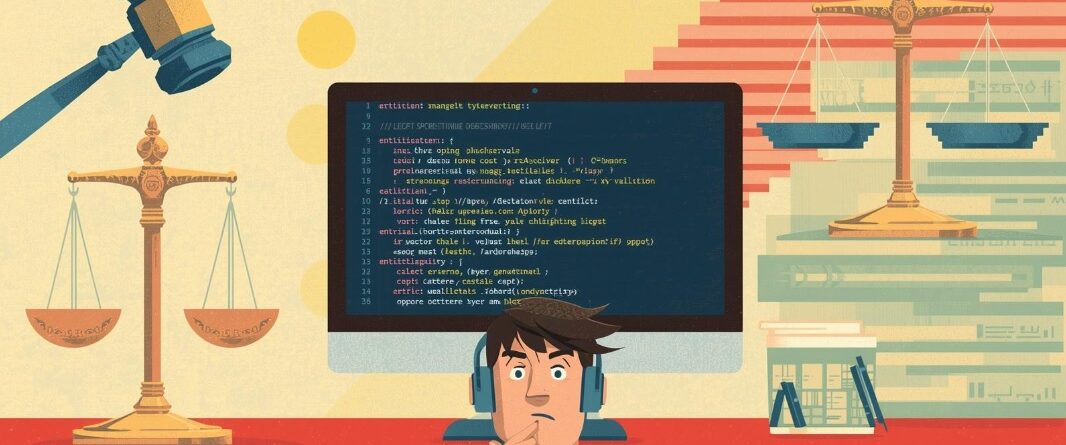
Data scraping, also known as web scraping, has become a hot topic in today’s digital era. Businesses, researchers, and even marketers rely on scraping to collect valuable online information. But here’s the big question: Is data scraping actually legal?
The short answer is: it depends. In this blog, we’ll break down the legality of data scraping, when it’s allowed, when it crosses the line, and the best practices to stay compliant.
What Is Data Scraping?
Data scraping is the automated process of extracting information from websites. For example:
- Collecting product prices from eCommerce sites
- Gathering leads from business directories
- Extracting stock data for financial analysis
While it’s a powerful tool, its legality depends on how and where you use it.

Is Data Scraping Legal?
The legality of scraping isn’t black and white. Here’s the breakdown:
When Data Scraping Is Legal
Publicly Available Data: Scraping information that is open to the public (e.g., government websites, open databases).
With Permission: If the website owner allows scraping through an API or explicit consent.
For Research or Personal Use: Non-commercial, small-scale scraping is often permitted.
When Data Scraping Becomes Illegal
Violating Website Terms of Service (ToS): If the site’s policy prohibits scraping.
Accessing Private or Protected Data: Password-protected, paywalled, or confidential data.
Commercial Misuse: Using scraped data to resell, spam, or harm businesses.
Bypassing Security Measures: Using bots to avoid CAPTCHAs, login restrictions, or firewalls.
Famous Legal Cases Around Data Scraping
HiQ vs. LinkedIn (2019 – 2022): Courts ruled that scraping public profiles from LinkedIn was not illegal under U.S. law.
Craigslist vs. Scrapers: Craigslist won multiple cases against bots scraping job and housing data.
EU GDPR Laws: Scraping personal data (like emails, names, contact info) without consent can violate GDPR.
👉 This shows that context and jurisdiction matter a lot.

Best Practices to Stay Compliant
If you want to use scraping ethically, follow these:
- Always check the robots.txt file of a website (it shows scraping permissions).
- Avoid scraping personal or sensitive data.
- Respect rate limits (don’t overload servers).
- Use scraping for research, analysis, or learning, not misuse.
- Whenever possible, use official APIs instead of bots.
💡 Pro Tip: If you plan to scrape for business use, consult a legal expert in your country to avoid penalties.
Common FAQs
- Can I scrape Google search results?
Google’s ToS prohibits automated scraping. Instead, use the Google Search API.
- Is scraping social media legal?
Scraping public posts is usually legal, but extracting user data (emails, phone numbers) without consent is illegal.
- What happens if I ignore the rules?
You could face lawsuits, account bans, or fines depending on the severity and jurisdiction.
Conclusion
So, is data scraping legal? The answer is yes and no. It’s legal when done on public data with respect to terms of service, but it becomes illegal if it violates privacy, security, or commercial rights.
If you’re planning to use data scraping for business, do it responsibly respect website policies, avoid sensitive data, and when in doubt, seek legal advice.
👉 Want to learn ethical scraping methods and tools? Check out our guide on [Top Data Scraping Tools for 2025]